MATCH/
CORRESPONDENCIA
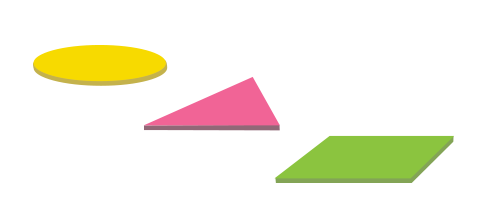
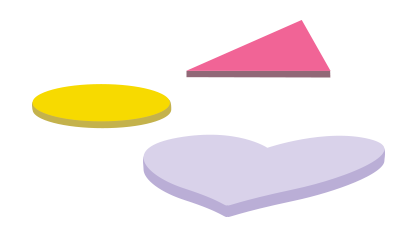
Two things that look identical or pair together nicely.
Dos elementos que son idénticos o que combinan bien entre sí.
MATCH/
CORRESPONDENCIA
Activity Book
The Buzzword partners designed this kit to inspire your family to keep learning together. We chose activities that build on your child’s natural curiosity, encouraging a growing vocabulary and a deeper engagement with books.
First, read with your child through The Clean-Up Monster written by Eleni Tassopoulos Wehner. Then, go through the different activities and ideas together, taking time to explain the meaning of the words and connecting them to your child’s real-life experiences.
MATCH/
CORRESPONDENCIA
Book List
Personalized recommendations from Carnegie Library of Pittsburgh (CLP)!
The titles on this booklist help children to discover how simple routines can make everyday tasks fun and easy. Learning to MATCH items and put things in their proper places helps young children to build important early math, organization, and problem-solving skills. Consistent routines also give preschoolers a sense of comfort and confidence as they learn to navigate their world. This also helps little ones to develop narrative skills, which is essential to early literacy. Practicing narrative skills help children to learn that stories have a beginning, a middle, and an end. When reading with your child, ask them what they think will happen next or how the story will end.
Los títulos incluidos en esta lista de libros ayudan a que los niños descubran cómo las rutinas simples pueden hacer que las tareas cotidianas resulten fáciles y divertidas. Aprender a lograr CORRESPONDENCIAS entre objetos y colocarlos en su lugar indicado favorece el desarrollo de importantes habilidades tempranas de matemáticas, organización y resolución de problemas en los niños pequeños. Las rutinas consistentes también les brindan a los niños en edad preescolar un sentido de comodidad y confianza a medida que aprenden a desenvolverse en su mundo. Además, esto ayuda a que los más pequeños desarrollen habilidades narrativas, fundamentales para aprender a leer y escribir. La práctica de habilidades narrativas contribuye a que los niños aprendan que las historias tienen principio, desarrollo y final. Al leer con sus hijos, pregúntenles qué creen que sucederá a continuación o cómo terminará la historia
Featured Activity
MATCH Movements!
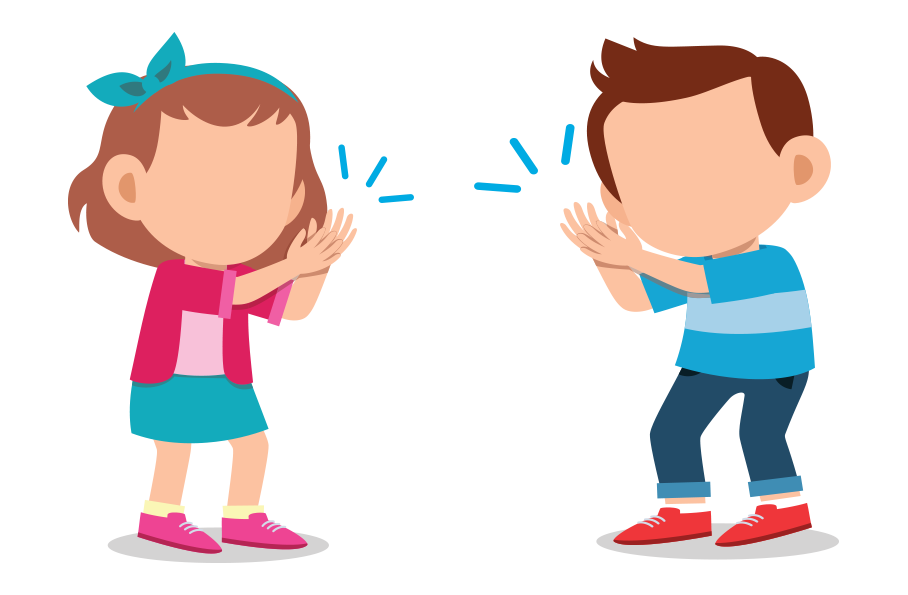
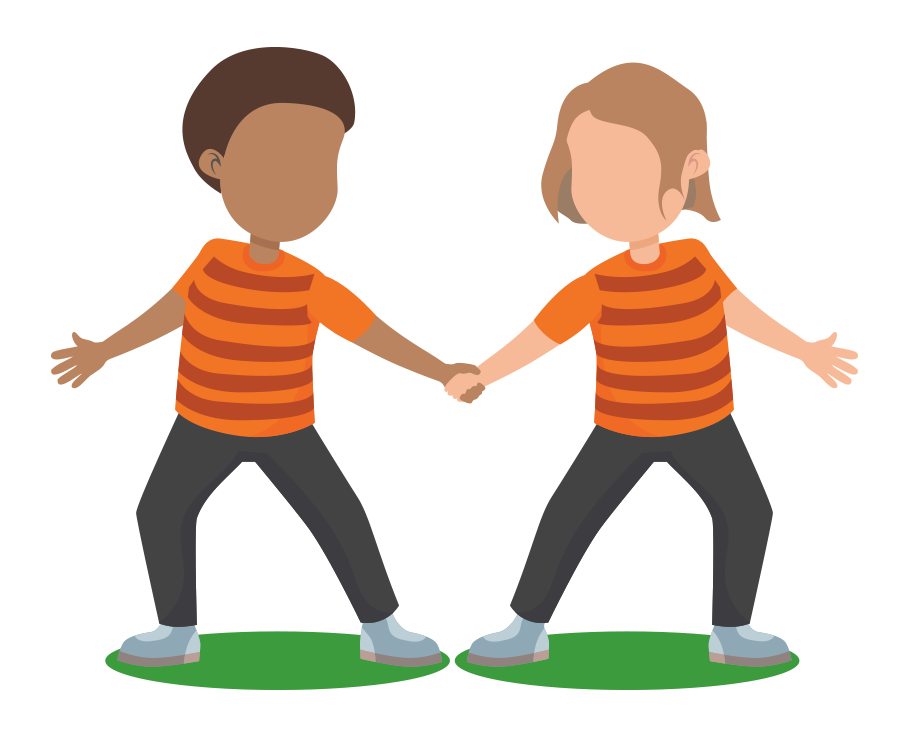
With a partner, we can MATCH different shapes we make with our bodies too. Work with a friend, sibling, or grown-up to see if you can match each other’s poses. See who can get the closest to a perfect MATCH.
Step 1: With your partner, decide who will choose a pose and who will MATCH first.
Step 2: The person choosing a pose can pick any frozen shape to make with their bodies, but they have to hold it. It can be a superhero, shape, or even inspiration taken from our story.
Step 3: The matching player needs to try and copy their shape exactly with their own body. Notice details. Are the hands in a fist or open? What is their face doing? Try to see how closely you can MATCH their ideas.
Step 4: Trade roles. The person who was matching now makes the pose first that the other person tries to copy.
Extension Activity: You can use your body to MATCH other things too, including the music you listen to. How can you move your body to MATCH what different songs sound like?
¡CORRESPONDENCIA con los movimientos!
Con un compañero, también podemos encontrar CORRESPONDENCIA entre las diferentes formas que hacemos con nuestros cuerpos. Trabajen con un amigo, hermano o adulto para ver si pueden encontrar correspondencia con las poses de cada uno. Vean quién logra la mejor CORRESPONDENCIA.
Paso 1: Con un compañero, decidan quién elegirá una pose y quién logrará primero la CORRESPONDENCIA.
Paso 2: La persona que elija la pose puede optar por hacer cualquier forma congelada con el cuerpo, pero deberá mantenerla. Puede ser un superhéroe, una forma o incluso una inspiración sacada de nuestra historia.
Paso 3: El jugador que tiene la correspondencia debe intentar copiar la forma exacta con su propio cuerpo. Presten atención a los detalles. ¿Tiene las manos en puño o abiertas? ¿Qué hace con el rostro? Intenten ver en qué medida pueden acercarse a la CORRESPONDENCIA con sus ideas.
Paso 4: Cambien de roles. La persona con la correspondencia ahora hace primero la pose que la otra persona intentará copiar.
Actividad complementaria: Pueden usar el cuerpo para lograr CORRESPONDENCIA con otros elementos, incluso con la música que escuchan. ¿Cómo pueden mover el cuerpo para que haya CORRESPONDENCIA con el ritmo de las diferentes canciones?